


Picture this: a commuter in London’s East End, earbuds in, scrolling through a game while the Tube rattles beneath them. By the time the train stops, the player has earned a new avatar, unlocked a level, and even won a real‑world prize. That scene isn’t a rare curiosity; it’s the everyday reality of mobile gaming in the UK.
Instant Access, Endless Variety
In 2023, the UK mobile gaming market surpassed £4.5 billion in revenue, a 12 % rise from the previous year. What drives this growth? Two simple facts. First, smartphones are ubiquitous—over 90 % of adults own one. Second, app stores host more than 300,000 games, from casual match‑three titles to sophisticated strategy simulators. A player can switch from a quick puzzle to a full‑scale multiplayer battle in under a minute.
Because games are downloadable, there’s no need for bulky hardware or a dedicated space. A child can play a rhythm game in the kitchen while their parents finish a spreadsheet, and a senior can enjoy a narrative adventure from the comfort of their sofa. The result is a democratized entertainment experience that fits any schedule.
Monetization Models That Work for Everyone
Freemium is the dominant model, offering the core game for free while selling cosmetic items, extra lives, or time‑saving boosters. In 2022, the average spend per active user in the UK was £12.30, up from £9.70 in 2020. This incremental spending is spread across a wide spectrum of players, from casual gamers who spend a few pennies a month to hardcore enthusiasts who invest hundreds.
Subscription services, such as “PlayPlus”, provide a fixed monthly fee for access to a rotating library of titles. In 2024, PlayPlus reported that 18 % of its UK subscribers were under 25, highlighting the appeal to younger demographics who prefer a “pay‑as‑you‑play” model over traditional one‑time purchases.
Social Connectivity Beyond Screens
Mobile games now feature robust social layers: leaderboards, guilds, and real‑time chat. A recent study found that 68 % of UK gamers engage with friends through in‑game messaging, and 43 % join at least one guild. These interactions blur the line between gaming and social networking, turning a solitary pastime into a community event.
Cross‑platform play is another game‑changer. A player on an iPhone can compete against a friend on an Android device, all while both are on the move. This level of accessibility has made competitive esports more inclusive, with over 1.2 million UK participants in 2023’s mobile esports tournaments.
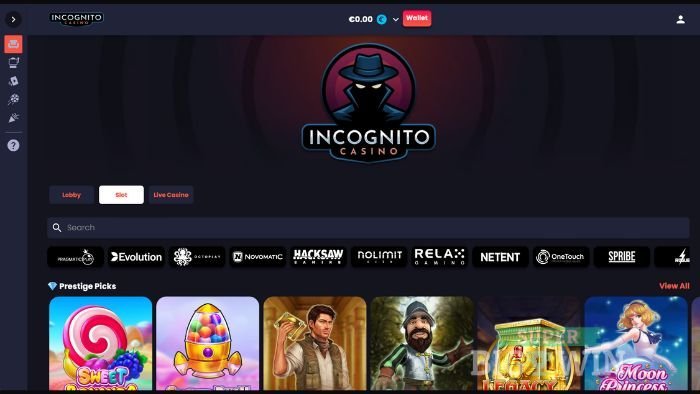
And for those craving a different kind of thrill, the Incognito Casino app offers a seamless online gaming experience right from your phone.
Health and Well‑Being: A Double‑Edged Sword
Mobile gaming’s convenience can promote mental relaxation, offering a quick escape from daily stress. A survey of 2,000 UK adults revealed that 54 % use games as a coping mechanism during busy workdays. However, the same survey noted that 12 % of respondents reported feeling “addicted” to certain titles, often spending more than 3 hours a day.
Game developers are responding with built‑in time‑management tools: daily play limits, “do not disturb” modes, and parental controls that cap spending and screen time. While these features help mitigate overuse, they also illustrate the industry’s growing responsibility toward player welfare.
From Entertainment to Economic Engine
Beyond leisure, mobile gaming fuels a burgeoning economy. In 2024, the UK’s mobile game development sector employed over 7,000 people, with a projected growth rate of 9 % annually. Start‑ups in cities like Manchester and Leeds are attracting venture capital, and universities are offering courses in game design, programming, and user experience.
Advertising revenue is another pillar. In‑app ads generate approximately £1.1 billion annually, with 60 % of that coming from “rewarded video” formats that let players earn in‑game currency for watching a short clip. This model balances user experience with monetization, ensuring that ads feel like a voluntary exchange rather than an interruption.
Bridging Traditional and Digital Entertainment
For many, mobile gaming is the first step into a broader digital entertainment ecosystem. It’s not uncommon for players to transition from casual mobile titles to streaming services, online concerts, or even virtual reality experiences. In this evolving landscape, platforms that blend gaming with other forms of entertainment are gaining traction.
As mobile games become more sophisticated—incorporating augmented reality, cloud gaming, and AI‑driven narratives—the line between “game” and “app” continues to blur. The result is a dynamic, inclusive entertainment scene that reshapes how UK audiences spend their leisure time.
Looking Ahead
What does the future hold? Developers are investing in 5G to deliver high‑definition graphics and low‑latency multiplayer. Meanwhile, regulatory bodies are tightening data privacy rules, ensuring that players’ information remains protected. If the current trajectory continues, mobile gaming will not only stay a dominant form of entertainment but also become a cornerstone of the UK’s digital culture.
In short, mobile gaming has moved from a niche hobby to a mainstream phenomenon that offers instant access, social connectivity, and economic opportunity—all while fitting neatly into the rhythm of everyday life.
Frequently Asked Questions
How big is the UK mobile gaming market?
In 2023, the UK mobile gaming market generated over £4.5 billion, up 12 % from the previous year.
What makes mobile games popular in the UK?
Their instant access, endless variety, and the ability to play anywhere keep UK players hooked.
Do mobile games offer real‑world rewards?
Yes—many games give players prizes like vouchers, tickets, or exclusive events, turning play into tangible benefits.
How can businesses tap into mobile gaming?
Partner with game developers, create branded content, or use in‑game advertising to reach a vast UK audience.